
Phases of Integrated Project Design: Step-by-Step Guide
Understanding the phases of integrated project design is essential for ensuring collaboration, efficiency, and sustainability throughout the project lifecycle. From initial planning to post-occupancy evaluation, each phase plays a critical role.
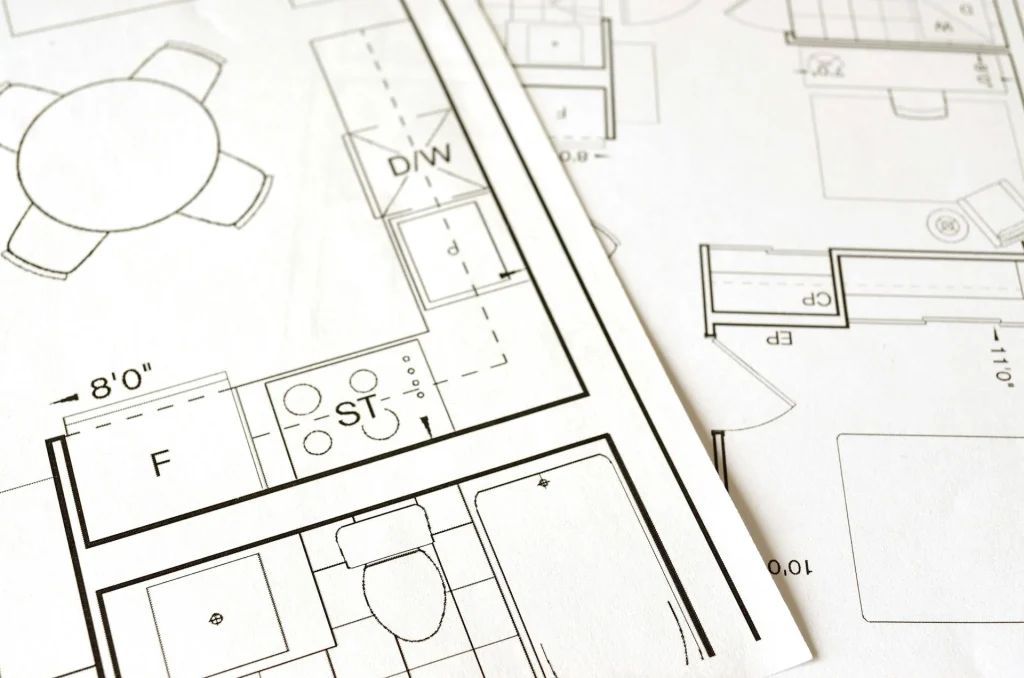
Phase 1: Pre-Design in Integrated Project Design
The pre-design phase sets the foundation for success:
- Define project goals and client requirements
- Assemble a multidisciplinary team
- Identify sustainability and budget objectives
- Conduct site analysis to understand environmental conditions and constraints
- Review regulatory requirements and zoning codes to avoid future issues
- Engage stakeholders in early discussions to clarify expectations and potential risks
👉 For a step-by-step guide, see Step-by-Step Guide to the Integrated Design Process.
Phase 2: Conceptual Design
During conceptual design:
- Brainstorm initial ideas
- Develop preliminary sketches and models
- Evaluate feasibility and potential challenges
- Use 3D models or digital simulations to visualize concepts
- Compare multiple design alternatives to select the most feasible solution
- Include sustainability experts to suggest energy-efficient and eco-friendly options
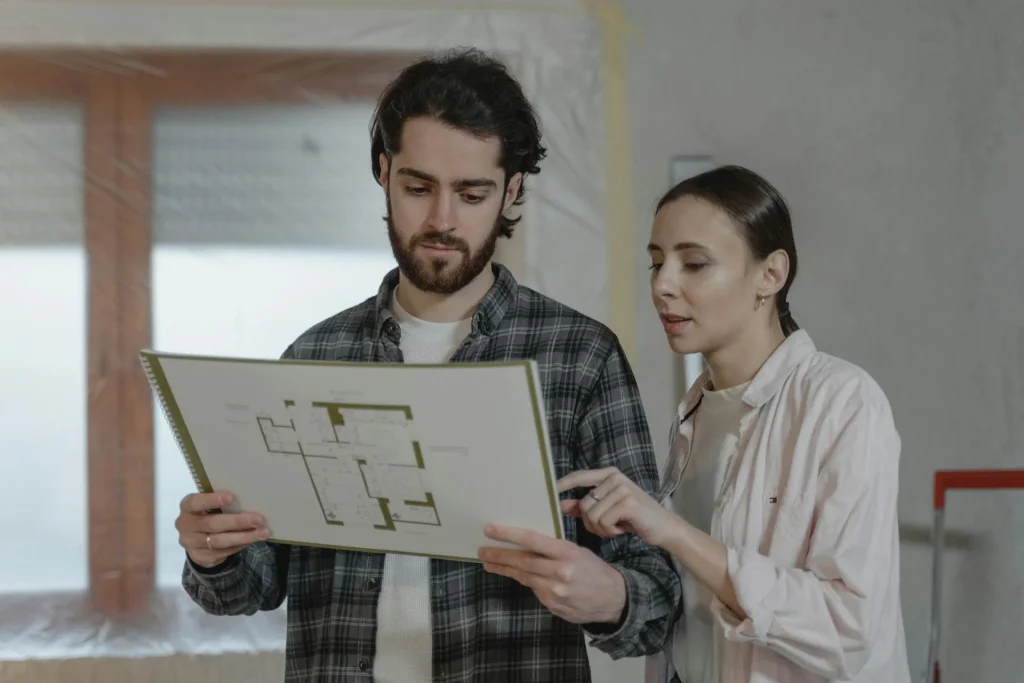
Phase 3: Design Development in Integrated Project Design
Refine concepts into detailed designs:
- Coordinate between disciplines using tools like BIM
- Detect conflicts early and optimize resource use
- Integrate sustainability features into the plan
- Perform detailed calculations for structural integrity, mechanical systems, and energy efficiency
- Conduct workshops with all stakeholders to review progress and adjust plans
- Document design decisions to maintain transparency and accountability
Phase 4: Construction Documentation
Create detailed documents to guide contractors:
- Ensure compliance with building codes
- Document all design elements for accurate construction
- Coordinate schedules among stakeholders
- Include detailed specifications for materials and construction techniques
- Coordinate with contractors to anticipate potential challenges before construction
- Use digital collaboration tools to share updates and revisions efficiently
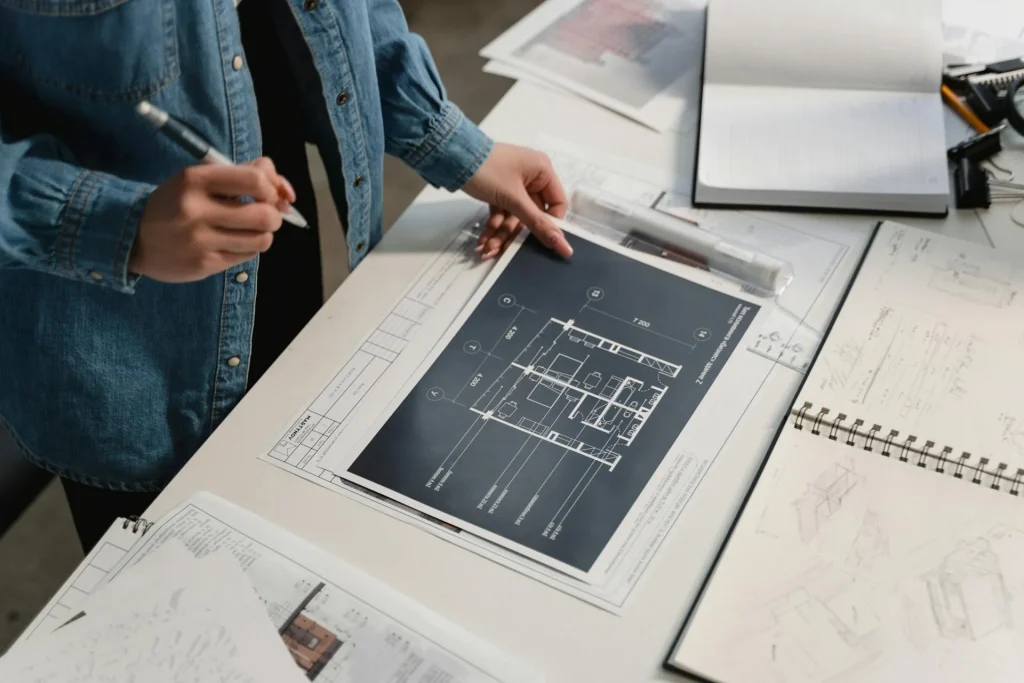
Phase 5: Construction and Commissioning in Integrated Project Design
During construction:
- Monitor work for quality and adherence to design
- Apply sustainable practices and innovations
- Ensure collaboration between contractors and design team
- Schedule regular site inspections and meetings with the design team
- Implement quality control procedures to ensure adherence to design specifications
- Track project timeline and budget to avoid overruns
Phase 6: Post-Occupancy Evaluation
After project completion:
- Assess building performance and sustainability
- Gather feedback from stakeholders
- Document lessons learned for future projects
- Measure energy performance and indoor environmental quality
- Conduct surveys with occupants to assess satisfaction and comfort
- Record lessons learned for continuous improvement in future projects
👉 For external reference, see U.S. Green Building Council – Integrated Design Overview.
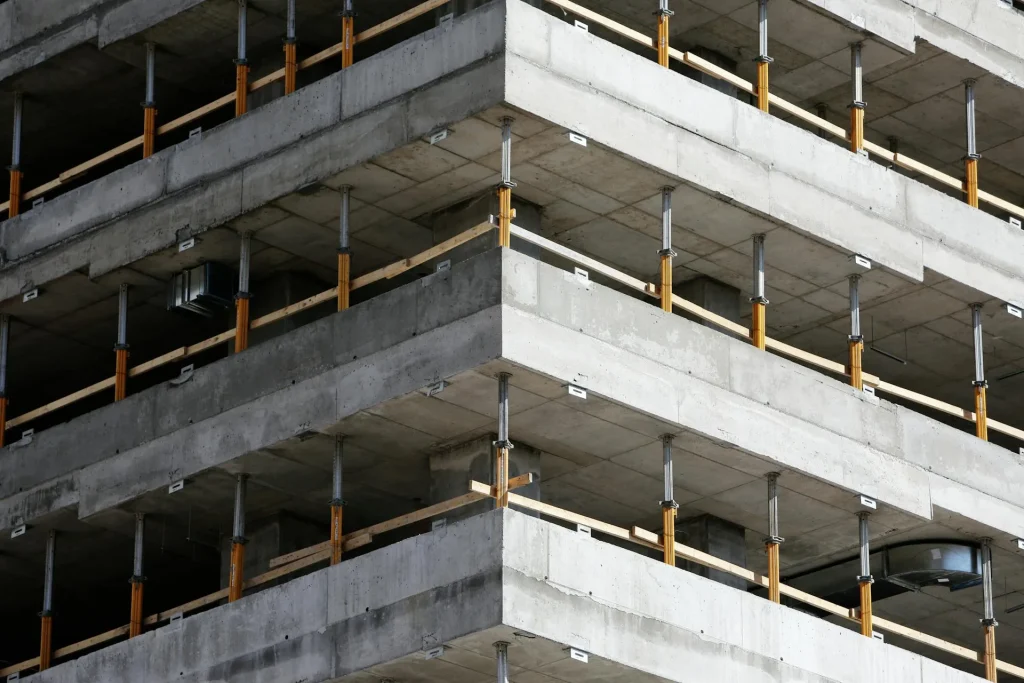
Conclusion
Following these phases of integrated project design ensures projects are collaborative, efficient, and sustainable. Proper planning and communication throughout each phase lead to higher-quality outcomes and innovative solutions.