Integrated vs Traditional Design: Key Differences & Benefits
Understanding the difference between integrated vs traditional design approaches is crucial for architects, engineers, and project managers. While traditional design often separates disciplines, integrated design emphasizes collaboration, sustainability, and efficiency from the very beginning.
What is Traditional Design vs Integrated Design?
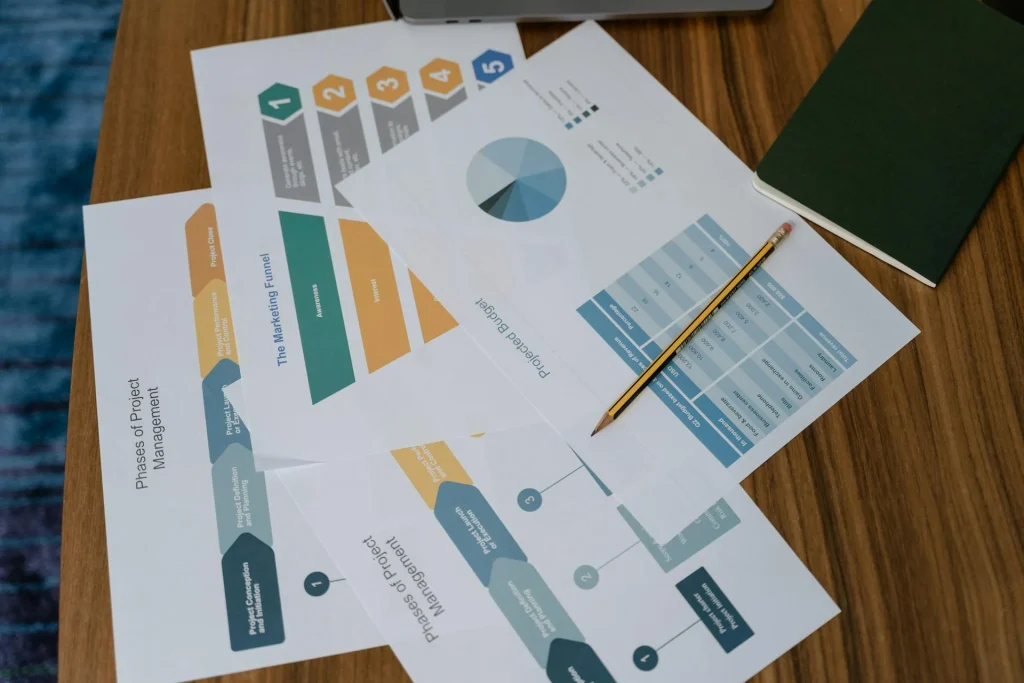
Traditional design typically follows a linear process, where each discipline works independently. Key characteristics include:
- Sequential workflow: architects design → engineers check → construction team executes
- Limited communication between teams
- Changes or errors often discovered late, causing delays
- Sustainability considerations are added retrospectively, if at all
👉 For an overview of collaborative methods, check out What is an Integrated Design Project? Definition, Benefits, and Examples.
What is an Integrated Design Project?
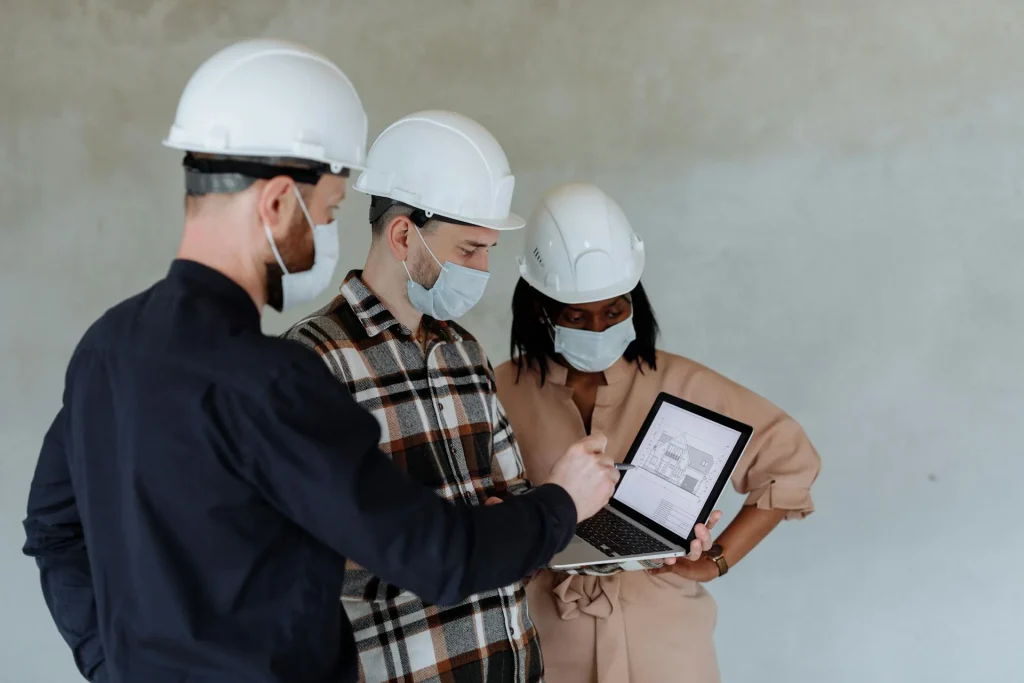
An integrated design project (IDP) involves all stakeholders from the concept phase, including architects, engineers, sustainability experts, and clients. Benefits include:
- Enhanced collaboration and problem-solving
- Efficient resource use and reduced project delays
- Sustainability integrated from the start
- Innovative solutions through shared expertise
Key Differences Between Integrated and Traditional Design
| Aspect | Traditional Design | Integrated Design Project |
|---|---|---|
| Workflow | Linear, sequential | Collaborative, iterative |
| Communication | Minimal | Continuous and structured |
| Sustainability | Optional, later stage | Integrated from the start |
| Problem-solving | Reactive | Proactive and collective |
| Efficiency | Lower | Higher, fewer errors and changes |
Why Integrated Design is Preferred Today
Modern projects often involve complex structures, sustainability goals, and advanced technology. Integrated design ensures:
- Reduced costs and delays
- Improved project quality
- Early problem detection
- Better adaptation to client and environmental requirements
👉 Learn how the process works Step-by-Step Guide to the Integrated Design Process.
Conclusion
The choice between traditional and integrated design approaches can significantly impact project outcomes. Integrated design projects foster collaboration, efficiency, and sustainability, making them the preferred choice in today’s architectural and engineering landscape.
👉 For external reference, see U.S. Green Building Council – Integrated Design Overview.