
Integrated Design in Civil Engineering | Smarter Infrastructure
Integrated design in civil engineering is a collaborative approach that brings together engineers, architects, environmental experts, and contractors from the earliest stages of a project. This teamwork-oriented method ensures that infrastructure such as bridges, highways, and water systems are planned with efficiency, safety, and sustainability in mind. Instead of working in isolation, professionals combine their knowledge to achieve better long-term outcomes.
Why Integrated Design Matters in Civil Engineering
Civil engineering projects are often complex and involve multiple disciplines. Traditional approaches, where each group works separately, can lead to costly errors, delays, and inefficiencies.
👉 Understand modern vs old approaches Integrated vs Traditional Design.
With integrated design, all stakeholders collaborate early, aligning project goals and reducing conflicts. This not only saves money but also results in stronger, more resilient infrastructure. Additionally, it fosters innovation, as diverse teams can generate creative solutions to engineering challenges.

Key Benefits of Integrated Design in Civil Projects
- Efficiency: Early collaboration reduces duplication of work and project delays.
- Safety: Potential risks are identified and solved during the design phase.
- Sustainability: Projects incorporate eco-friendly solutions such as recycled materials, renewable energy integration, and reduced environmental impact.
- Cost Savings: Clear communication helps avoid expensive changes later.
- Community Value: Integrated design considers not only technical needs but also social impact, ensuring that infrastructure benefits local communities.
👉 Learn how methods are applied Step-by-Step Guide to the Phases of Integrated Project Design.
Real-World Applications in Civil Engineering
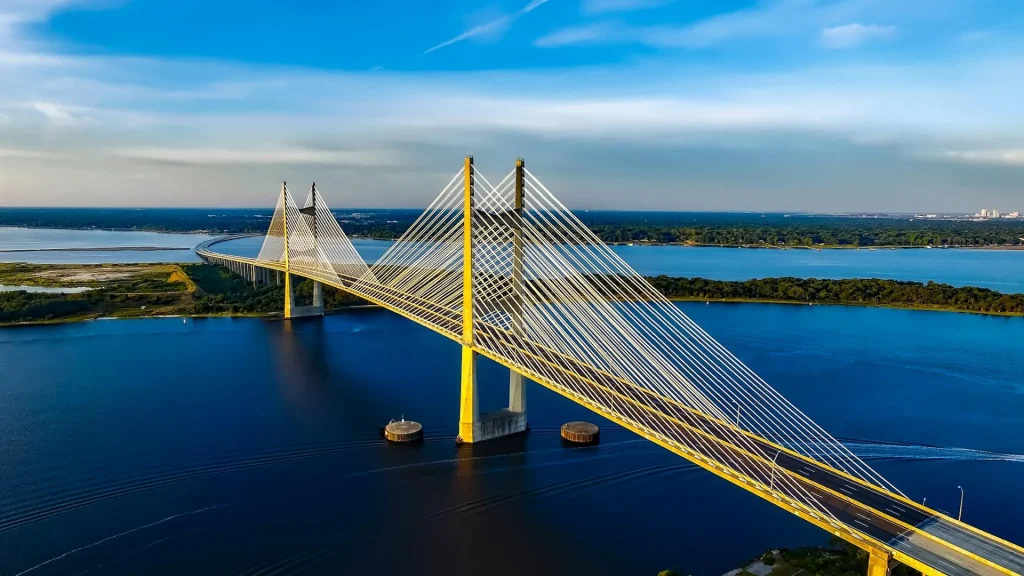
Integrated design is used in large-scale infrastructure like smart cities, transportation networks, and renewable energy facilities. For instance, bridges designed with integrated methods can optimize material usage while enhancing durability. Similarly, sustainable stormwater systems are developed through cross-disciplinary collaboration to protect ecosystems and urban environments.
Another example is high-speed rail projects, where engineers and environmental experts work together to minimize noise pollution and land disruption. This approach not only improves functionality but also gains stronger public approval.
👉 Check more about civil infrastructure innovations at American Society of Civil Engineers.
Conclusion
Integrated design in civil engineering ensures that infrastructure is safer, smarter, and more sustainable. By combining expertise from multiple disciplines, this approach is shaping the future of resilient cities and communities. As governments and private companies continue to invest in infrastructure, the demand for integrated design will only grow, highlighting its role as a cornerstone of modern civil engineering.