
Integrated Design in Architecture: A Complete Guide
Integrated design in architecture is a collaborative approach that brings architects, engineers, and consultants together from the very beginning of a project. Instead of working in silos, professionals share ideas and solve challenges collectively, leading to innovative, sustainable, and efficient buildings.
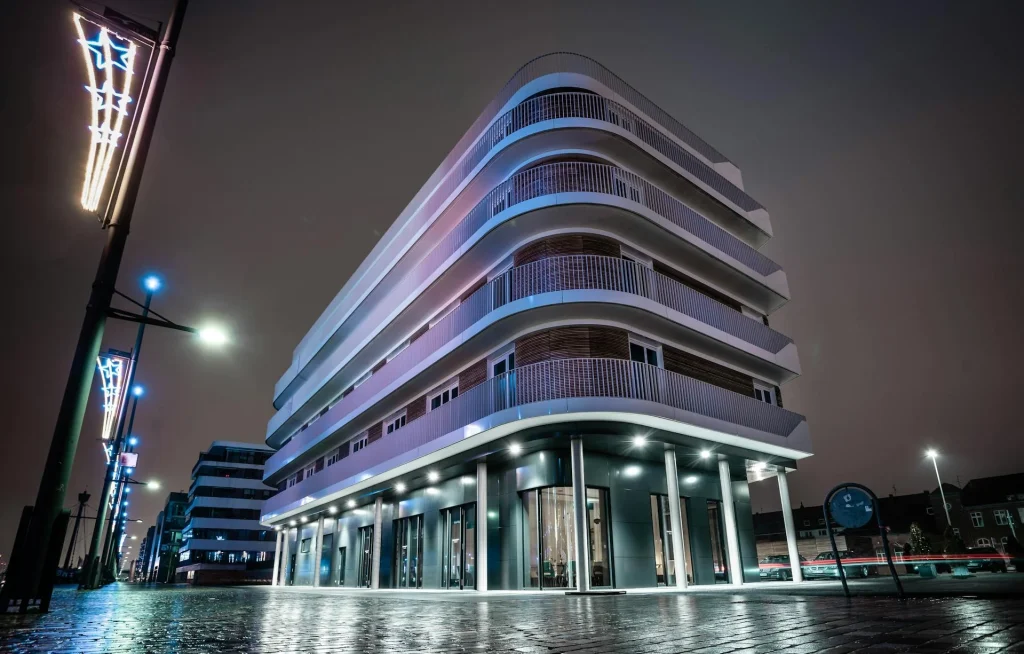
Why Integrated Design Matters in Architecture
Traditional design often separates each discipline, creating communication gaps and costly revisions.
By contrast, integrated design ensures every aspect—energy efficiency, materials, structural integrity, and user comfort—is considered from the start. This prevents errors, reduces project delays, and delivers buildings that meet higher performance standards.
Integrated design also helps align client expectations with technical solutions. By involving all stakeholders early, projects are more likely to stay within budget and deliver long-term value.
👉 Learn more in Integrated Design Project vs. Traditional Design.
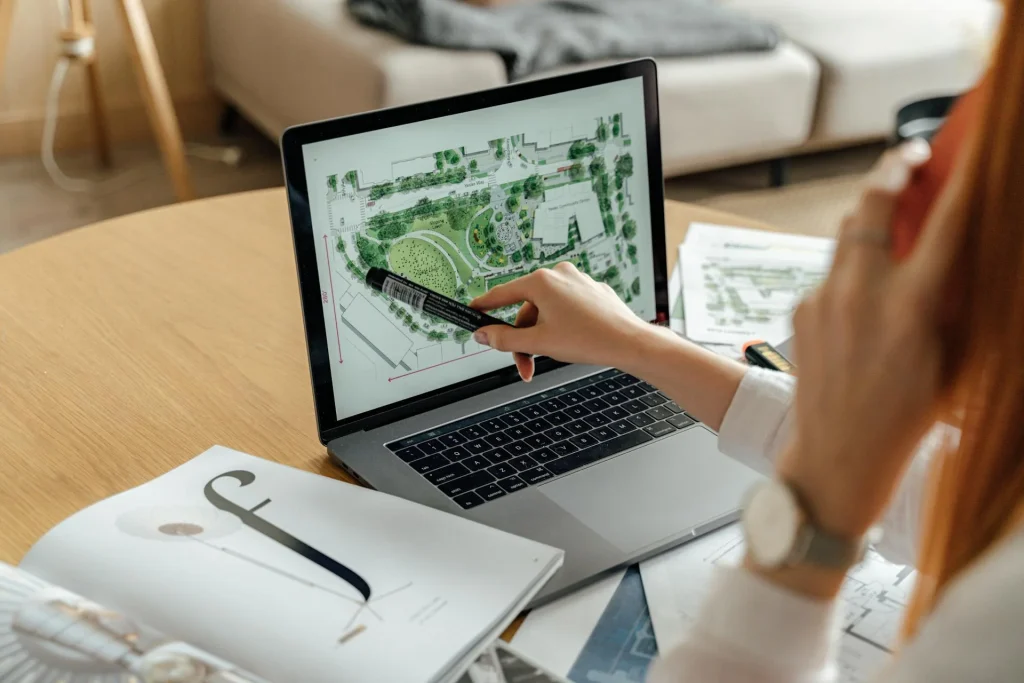
Key Benefits of Integrated Design in Architecture
- Sustainability: Supports eco-friendly solutions such as passive heating, renewable energy, and water efficiency. It also promotes the use of local materials and reduces a project’s carbon footprint.
- Cost-effectiveness: Early collaboration avoids last-minute expensive changes and allows for better resource management.
- Innovation: Cross-disciplinary teamwork sparks new ideas, resulting in smarter building layouts and technologies.
- Quality: Projects achieve higher standards in both function and aesthetics, ensuring buildings are comfortable, durable, and adaptable.
👉 Discover the evolution of design practices History of Integrated Design.
Real-World Applications
Integrated design is essential in green buildings, LEED-certified projects, and public infrastructure. Schools, hospitals, and office towers increasingly adopt this model to improve energy performance and user comfort.
For example, universities often apply integrated design when constructing sustainable campuses. Hospitals benefit from this approach by ensuring energy efficiency while maintaining strict safety standards. Office towers use integrated systems to reduce long-term operational costs and provide healthier workspaces.
👉 Explore sustainable design examples at World Green Building Council.
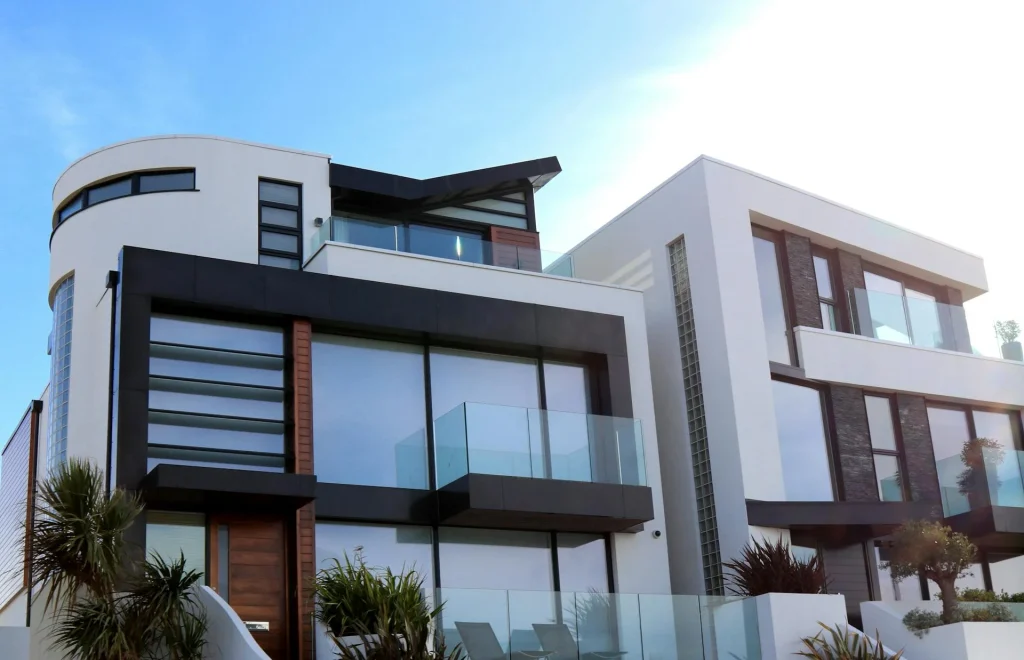
Conclusion
Integrated design in architecture is no longer optional—it’s the standard for future-ready buildings. As efficiency and sustainability gain importance, this collaborative method ensures architecture truly meets the needs of people and the planet.