History of Integrated Design in Architecture & Engineering
The history of integrated design shows how collaborative approaches have evolved in architecture and engineering over the decades. From early multidisciplinary projects to modern sustainable designs, the concept of integrated design has continuously shaped how professionals approach complex projects.

Early Examples of Integrated Design
In the early 20th century, projects like large-scale industrial buildings and civic infrastructure required coordination between architects and engineers. Although the approach was not formally called “integrated design,” collaboration was already essential.
- 📌 Early architectural collaborations often focused on functionality and efficiency, not sustainability.
- 📌 Engineers and architects would meet occasionally, but systematic integration was limited.
👉 For an overview of the integrated design concept, check out What is an Integrated Design Project? Definition, Benefits, and Examples.
Evolution in the Mid-20th Century
By the 1950s and 1960s, the rise of modernism and technological advancements pushed architects and engineers to collaborate more closely. This period saw:
- Introduction of project management methods
- Greater attention to structural innovations
- Early use of drafting software and calculations
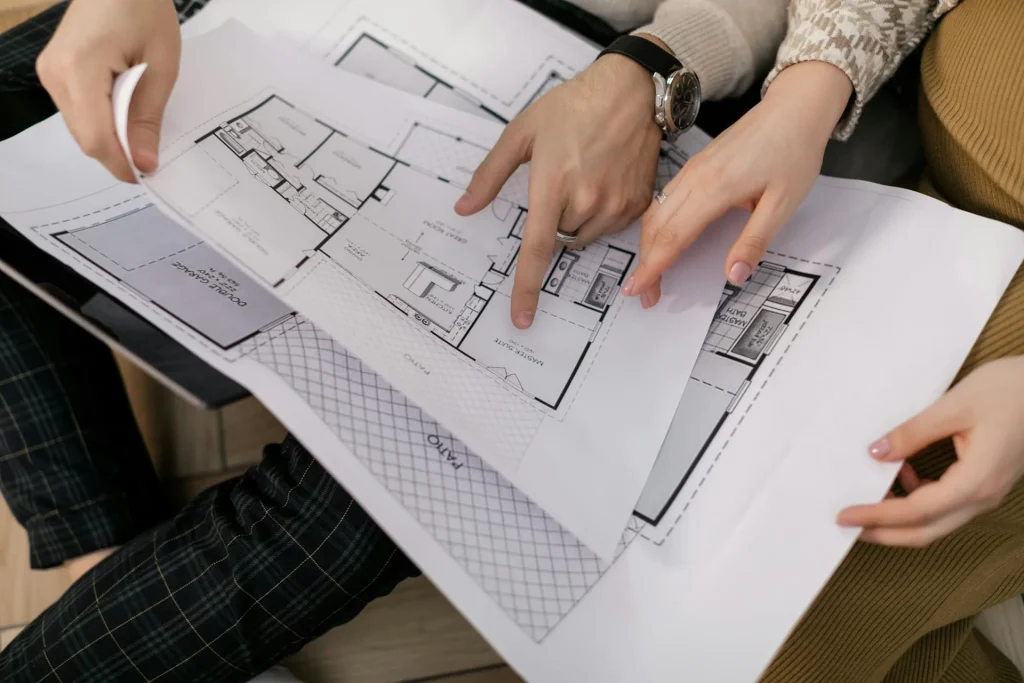
Modern Integrated Design
Today, integrated design emphasizes sustainability, efficiency, and innovation. Tools like BIM (Building Information Modeling) allow architects, engineers, and other stakeholders to collaborate in real time.
- 📌 Modern projects prioritize energy efficiency, green materials, and life-cycle cost analysis.
- 📌 Collaboration is now formalized, with structured phases and shared digital platforms.
👉 Learn how the modern process works Step-by-Step Guide to the Phases of Integrated Project Design.

Key Milestones in Integrated Design
- Early 1900s: Informal collaboration in large industrial projects
- 1950s–1960s: Systematic collaboration with emerging project management
- 1980s–1990s: Introduction of computer-aided design (CAD)
- 2000s–Present: Digital collaboration, BIM, and sustainable design integration
Conclusion
The history of integrated design in architecture and engineering reflects a shift from isolated work to full collaboration. Understanding this evolution helps professionals appreciate modern integrated design’s efficiency, sustainability, and innovation.
👉 For external reference, see U.S. Green Building Council – Integrated Design Overview.