Integrated Design Process: Step-by-Step Guide for Projects

The integrated design process ensures that architects, engineers, clients, and other stakeholders collaborate from the very beginning of a project. This step-by-step guide will help you understand how to implement integrated design effectively, maximizing efficiency, sustainability, and innovation.

Step 1: Define Goals in the Integrated Design Process
Before starting any design, all stakeholders must define project goals, requirements, and constraints. This step ensures everyone shares the same vision.
- 📌 Identify project objectives
- 📌 Determine sustainability and budget targets
- 📌 Gather client input
Step 2: Form the Project Team for Integrated Design
A successful integrated design project relies on a diverse team:
- Architects
- Structural, mechanical, and electrical engineers
- Sustainability specialists
- Project managers and clients

Step 3: Conceptual Design in the Integrated Design Process
During this phase:
- Brainstorm ideas collectively
- Develop preliminary sketches and models
- Evaluate design options for feasibility, cost, and sustainability
👉 For a historical perspective, check out History of Integrated Design in Architecture & Engineering.
Step 4: Design Development
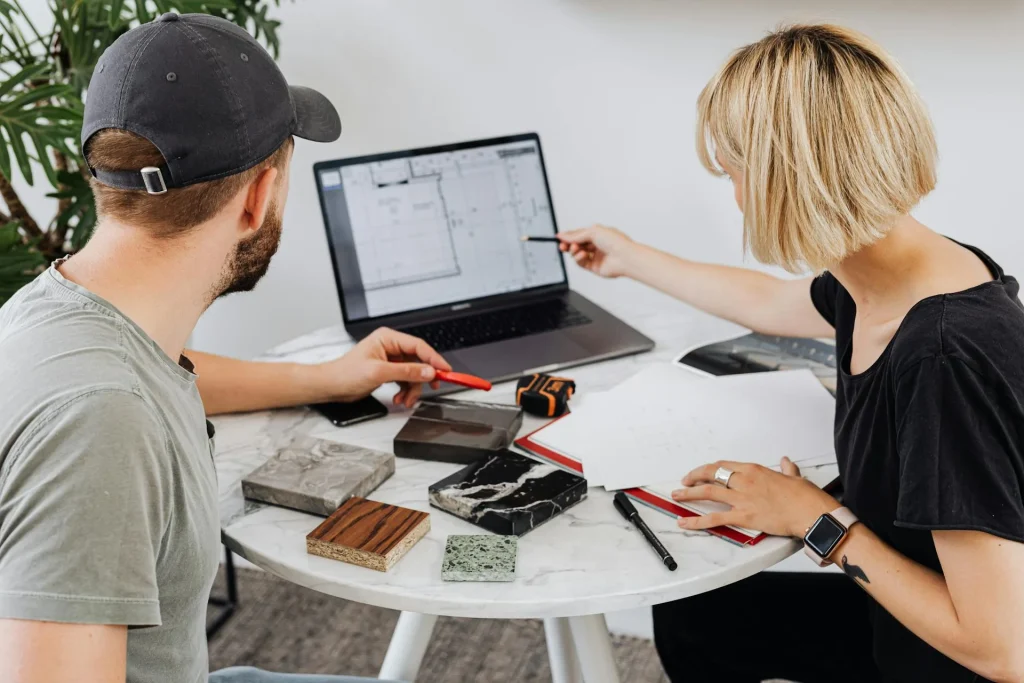
Teams work together to refine concepts into detailed designs. Tools like BIM (Building Information Modeling) help:
- Coordinate between disciplines
- Detect conflicts early
- Optimize resource use
Step 5: Construction Documentation
Detailed plans are created to guide contractors. This step ensures accuracy and efficiency during construction.
- Verify that all design elements comply with codes
- Document sustainability features
- Coordinate schedules among disciplines
Step 6: Construction and Post-Occupancy
Even during construction, integrated design principles continue to provide benefits:
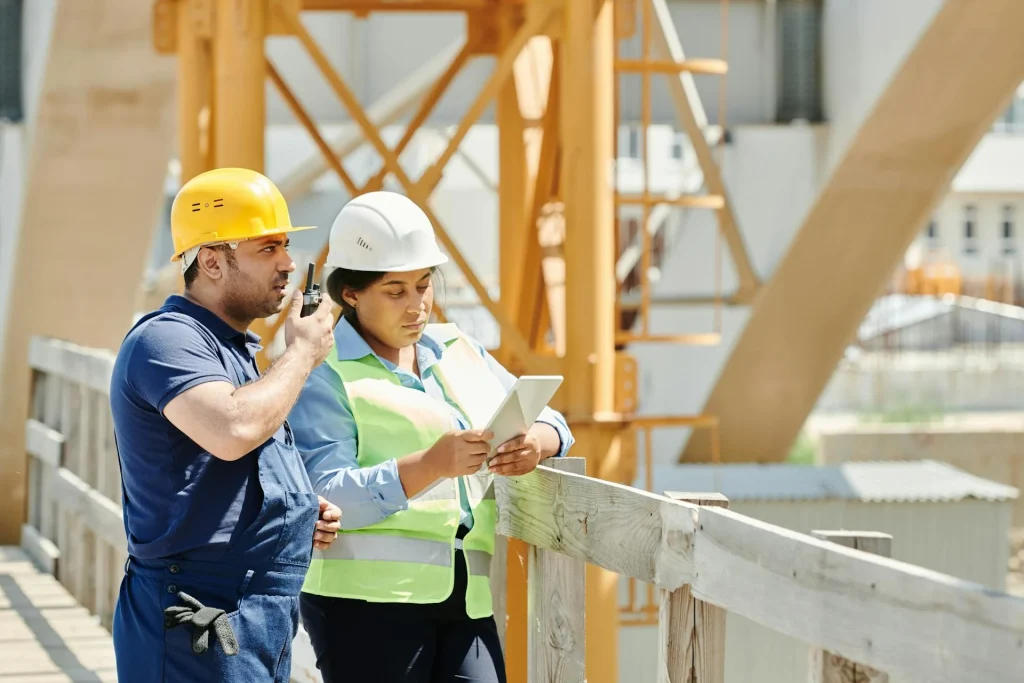
- Monitor construction for compliance
- Ensure sustainable practices are followed
- Collect feedback for post-occupancy evaluation
👉 Explore practical applications Integrated Design in Architecture.
Conclusion
Following a step-by-step integrated design process ensures that projects are collaborative, efficient, and sustainable. By engaging all stakeholders early and maintaining communication throughout, teams can deliver high-quality results with fewer errors and greater innovation.
👉 Learn the fundamentals What is an Integrated Design Project? Definition, Benefits, and Examples.
👉 For external guidance, seeU.S. Green Building Council – Integrated Design Overview.